Have you ever wondered how small packaging packets revolutionize product distribution across multiple industries? What are sachets, and why are they transforming the way businesses package and deliver single-use pouches?
Sachets represent innovative packaging solutions that provide consumers with convenient, portion-controlled products. What are sachets exactly? They are compact, sealed packets designed to contain precise quantities of various items, ranging from food condiments to pharmaceutical samples and cosmetic treatments.
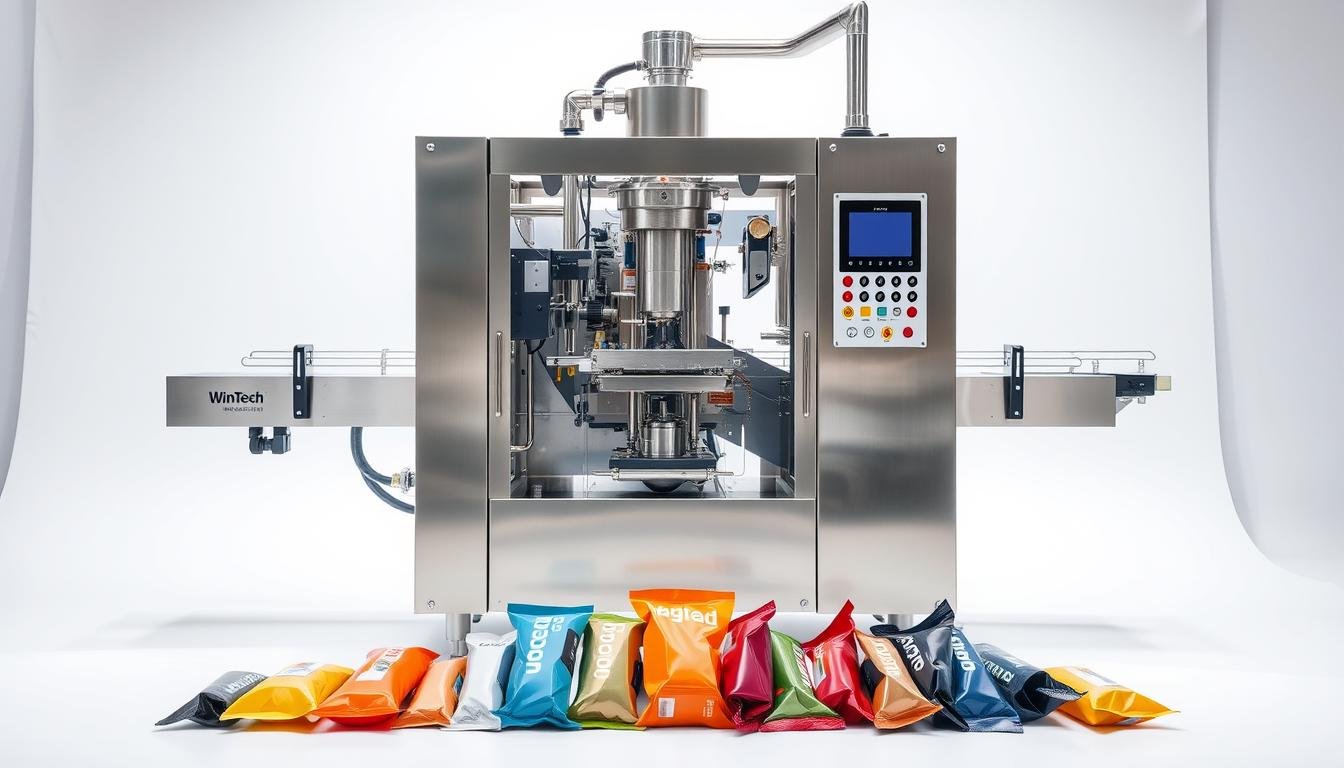
Wintech Package, a leading packaging machinery manufacturer in the United States, understands What are sachets and the critical role of efficient sachet production. Their advanced technologies enable rapid machine changeovers, ensuring manufacturers can quickly adapt to different product requirements without significant downtime.
What are sachets and the packaging industry has embraced small packaging packets as a strategic solution for modern consumer needs. Single-use pouches offer remarkable benefits like improved product preservation, reduced waste, and enhanced portability.
Key Takeaways of What are sachets
- Sachets provide precise, portion-controlled product packaging
- Packaging machinery enables rapid production flexibility
- Single-use pouches improve product freshness and convenience
- Small packaging packets reduce material waste
- Innovative sachet designs support diverse industry needs
What are Sachets and Their Importance in Packaging
Sachets have revolutionized product packaging across multiple industries, offering a compact and convenient solution for consumers. These small, sealed packets provide an innovative way to package various products, from food and beverages to cosmetics and medicines.

Understanding the versatility of sachets begins with exploring their fundamental characteristics and widespread applications. Manufacturers have embraced these lightweight packaging solutions to meet evolving consumer demands for portability and convenience.
Defining Sachets in Modern Packaging
A sachet is a small, sealed packet typically made from flexible materials like plastic or paper. These compact containers are designed to hold precise quantities of products, making them ideal for single-use applications. Food sachets, tea sachets, medicine sachets, and sachets for cosmetics represent key categories in the packaging landscape.
Diverse Types of Sachets
- Single-serve food sachets for condiments and instant meals
- Medicine sachets for precise dosage packaging
- Tea sachets for individual brew portions
- Cosmetic sachets for sample and travel-sized products
Common Uses Across Industries
| Industry | Sachet Application | Key Benefits |
|---|---|---|
| Food & Beverage | Condiment packets, instant drink mixes | Portion control, convenience |
| Pharmaceuticals | Medicine dosage packets | Precise measurement, hygiene |
| Cosmetics | Sample sizes, travel packaging | Product testing, portability |
Whether you’re looking for food sachets to simplify meal preparation or medicine sachets for accurate dosing, these packaging solutions offer unparalleled convenience and efficiency for modern consumers.
What are Sachets: Enhancing Product Freshness and Convenience
Packaging solutions have evolved dramatically, with sachets emerging as a game-changing approach for modern consumers. These compact containers offer unprecedented convenience and protection for various products, bridging the gap between traditional packets and innovative packaging designs.
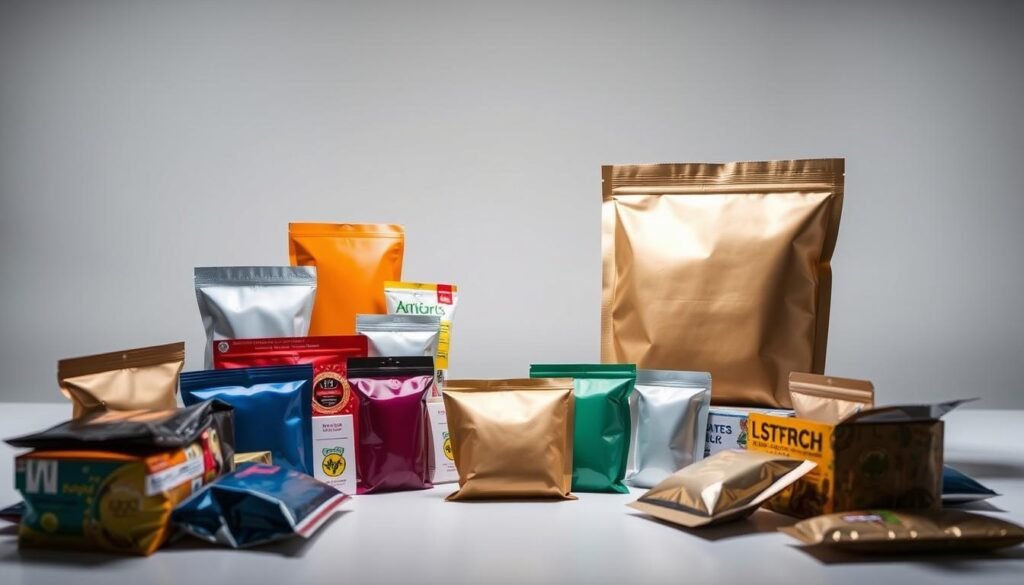
Sachets provide remarkable benefits that set them apart from conventional packaging methods. When comparing sachets vs packets, several key advantages become apparent:
- Precise portion control
- Enhanced product preservation
- Reduced packaging waste
- Improved product freshness
Benefits of Using Sachets
The versatility of sachets extends across multiple industries. From food and pharmaceuticals to personal care products, these small packages deliver significant value. Biodegradable sachets are particularly exciting, representing a sustainable packaging solution that meets growing environmental consciousness.
How Sachets Improve Shelf Life
Sachets create a protective barrier against moisture, oxygen, and external contaminants. This sealed environment dramatically extends product shelf life, ensuring consumers receive high-quality, fresh items every time. The compact design minimizes exposure to air and potential degradation factors.
Consumer Preferences for Sachets
Modern consumers appreciate packaging that combines convenience with sustainability. Biodegradable sachets resonate with environmentally aware customers who seek responsible consumption. The single-serve format reduces waste and provides perfect portioning for on-the-go lifestyles.
The future of packaging is small, smart, and sustainable.
What are Sachets: Technical Considerations in Packaging Machinery
Packaging machinery plays a critical role in sachet production, determining the efficiency and quality of your final product. Understanding the technical aspects of sachet packaging materials and machinery can significantly impact your manufacturing process.

Modern sachet packaging requires sophisticated equipment that can handle various materials and production demands. Your success depends on selecting the right machinery and implementing strategic techniques.
Machinery for Sachet Production
Advanced sachet packaging machinery typically includes several key components:
- Vertical form-fill-seal (VFFS) machines
- Horizontal form-fill-seal (HFFS) machines
- Pre-made pouch filling equipment
- Multi-lane packaging systems
Quick Changeover Techniques for Sachets
Efficient production requires rapid equipment transitions between different sachet packaging materials and product types. Effective quick changeover strategies can reduce downtime and increase overall productivity.
| Changeover Technique | Time Reduction | Complexity |
|---|---|---|
| Modular Machine Design | 30-50% | Low |
| Standardized Tool Placement | 20-40% | Medium |
| Digital Preset Controls | 40-60% | High |
Maintenance and Efficiency in Sachet Production
Regular maintenance of your sachet packaging machinery ensures consistent performance and extends equipment lifespan. Proactive maintenance strategies can prevent unexpected breakdowns and optimize production efficiency.
Investing in high-quality sachet packaging materials and precision machinery will help you achieve superior product packaging that meets industry standards and customer expectations.
What are Sachets: Future Trends and Innovations
The sachet packaging landscape is rapidly evolving, with sustainability and innovation driving significant transformation. Wintech Package is at the forefront of this revolution, developing cutting-edge solutions that address both environmental concerns and consumer needs. The global sachet packaging market continues to expand, presenting exciting opportunities for brands seeking efficient and eco-friendly packaging strategies.
Sustainability in Sachet Packaging
Biodegradable sachets are becoming a game-changer in packaging technology. You’ll see manufacturers increasingly focusing on sachet packaging materials that minimize environmental impact. Wintech Package has been pioneering research into sustainable alternatives that maintain product integrity while reducing carbon footprint. These innovations include plant-based materials and compostable packaging solutions that break down more efficiently than traditional plastic sachets.
Advances in Sachet Design and Functionality
Modern sachet designs are pushing technological boundaries. Enhanced barrier properties now protect products more effectively, extending shelf life and maintaining quality. Improved opening mechanisms make sachets more user-friendly, addressing consumer frustrations with hard-to-open packaging. From single-serve supplements to personal care products, these advancements are transforming how you interact with packaged goods.
Market Growth and Trends for Sachets
The sachet packaging market is projected to experience substantial growth in the United States and globally. Consumers are increasingly drawn to convenient, portable packaging solutions that offer both practicality and sustainability. Wintech Package is positioning itself as a leader in this space, developing innovative sachet technologies that meet evolving market demands while supporting environmental responsibility.